Skip to content

We explain everything

Short answers with the numbers, the steps to take and the official sources.

Featured guides

Students

16-25 Railcard: is it worth it? It pays off after £105 of fares

The 16-25 Railcard costs £35 for a year, or £80 for three years, and takes a third off most rail fares in Great Britain, so it pays for itself as soon as you would have spent £105 on full-price tickets. Two trips home at Christmas and Easter are often enough.

4 min read

Photo: Horia Varlan, Flickr, CC BY 2.0
Work

4 guides

See all
  • Work

    Average salary UK 2026: £40,911 median, and where you stand

    The median annual salary for full-time employees in the UK was £40,911 in April 2026, up 4.5% from £39,157 a year earlier, according to the ONS Annual Survey of Hours and Earnings published on 22 October 2026. Half of full-time employees earn more and half earn less; the middle half earn between about £30,600 and £56,842.

    4 min read

    Photo: Alex Osterwalder, Flickr, CC BY 2.0

  • Work

    How much redundancy pay am I entitled to? 2026 to 2027 rates

    With 2 years' service or more, you are entitled to half a week’s pay for each full year you worked while under 22, one week for each year from 22 to 40, and one and a half weeks for each year from 41, counting 20 years at most. For redundancies on or after 6 April 2026, a week’s pay is capped at £751, so statutory redundancy pay reaches £22,530 at the very most.

    4 min read

    Photo: emdot, Flickr, CC BY 2.0

  • Work

    Settlement agreement tax free £30,000: what is and is not taxed

    In a settlement agreement, you do not usually pay tax on the first combined £30,000 of redundancy pay, extra severance and non-cash benefits, but notice pay, holiday pay, unpaid wages and bonuses are taxed as normal earnings. So the way your package is split matters as much as the headline number.

    4 min read

    Photo: muffinn, Flickr, CC BY 2.0

  • Work

    Tax code 1257L: what it means and how to spot a wrong code

    Tax code 1257L means your employer gives you the standard tax-free Personal Allowance of £12,570 for the tax year, about £1,047.50 a month, and taxes only what you earn above it. It is the code HMRC uses for most people with one job or pension, so a different code on your payslip is worth checking.

    4 min read

    Photo: quinet, Flickr, CC BY 2.0

Taxes

6 guides

See all
  • Taxes

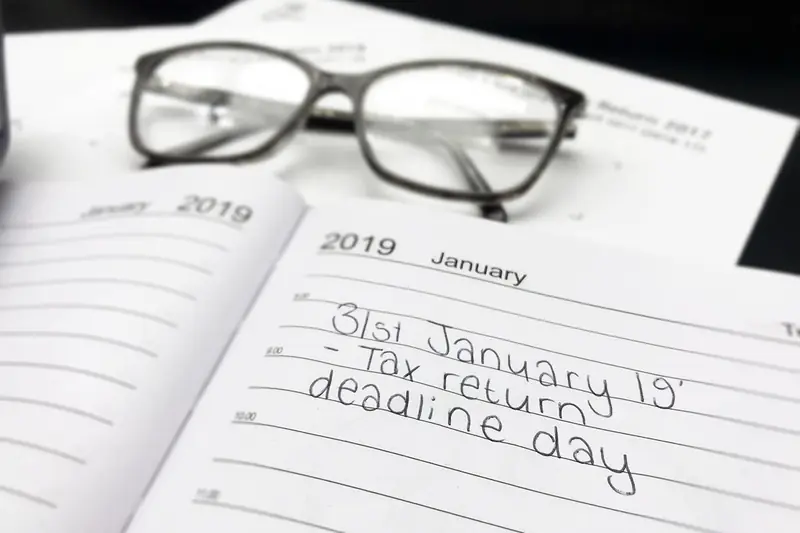
    60% tax trap: what it costs between £100,000 and £125,140

    For every £2 of adjusted net income above £100,000, you lose £1 of your £12,570 Personal Allowance, so each extra pound between £100,000 and £125,140 costs 60% in Income Tax in 2026 to 2027, or 62% with National Insurance. Pension contributions and Gift Aid reduce adjusted net income, which is the legal way out.

    4 min read

    Photo: photosteve101, Flickr, CC BY 2.0

  • Taxes

    Marriage Allowance: £252 a year, backdated to April 2022

    If you are married or in a civil partnership, earn less than £12,570 and your partner pays only basic rate tax, you can transfer £1,260 of your Personal Allowance to them and cut their tax by up to £252 a year. Claim now and you can also backdate to 6 April 2022, which makes up to £1,260 across five tax years.

    4 min read

    Photo: kimberlykv, Flickr, CC BY 2.0

  • Taxes

    Pension inheritance tax 2027: what changes on 6 April 2027

    For deaths on or after 6 April 2027, most unused pension funds and pension death benefits will count as part of your estate for Inheritance Tax, taxed at 40% on the part of the estate above the threshold. Death in service benefits from a registered pension scheme stay outside, and the personal representatives of the estate will report and pay the tax.

    4 min read

    Photo: Sydney Heritage, Flickr, CC BY 2.0

  • Taxes

    Salary sacrifice pension: what you save in 2026 to 2027

    With salary sacrifice, part of your salary is paid straight into your pension before tax and National Insurance, so in 2026 to 2027 each £100 sacrificed costs a basic rate taxpayer £72 of take-home pay and a higher rate taxpayer £58. From April 2029, only the first £2,000 a year will stay free of National Insurance; the Income Tax saving does not change.

    4 min read

    Photo: photosteve101, Flickr, CC BY 2.0

  • Taxes

    Side hustle tax UK: the £1,000 rule now, £3,000 from April 2027

    In the 2026 to 2027 tax year, the first £1,000 of gross income from a side hustle is tax free and you only need to tell HMRC if your sales go above it. From 6 April 2027, the government plans to raise that trading allowance, and the reporting threshold with it, to £3,000.

    4 min read

    Photo: mckaysavage, Flickr, CC BY 2.0

Home and energy

3 guides

See all
  • Home and energy

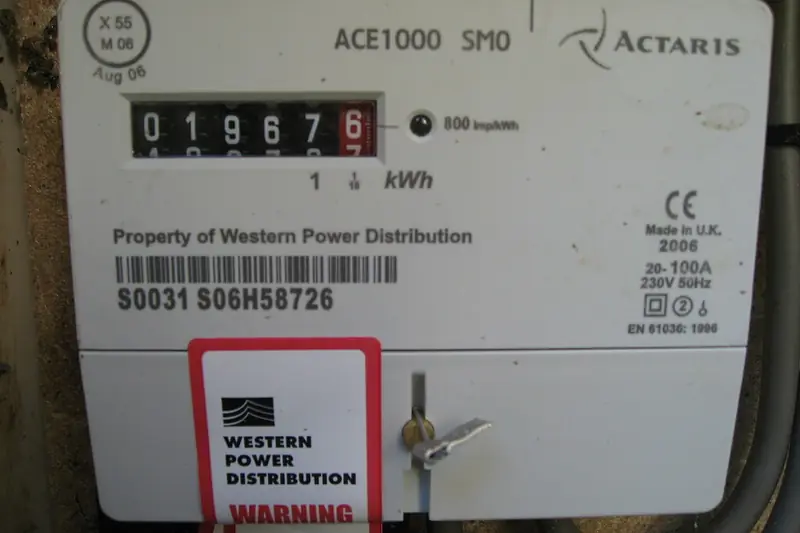
    Energy bill calculator: work out your bill with price cap rates

    An energy bill is the kilowatt hours you use multiplied by the unit rate, plus a standing charge for every day of the period. Under the Ofgem price cap from 1 October to 31 December 2026, a Direct Debit customer pays on average 26.32p per kWh and 54.83p a day for electricity, and 7.97p per kWh and 29.68p a day for gas.

    4 min read

    Photo: Kai Hendry, Flickr, CC BY 2.0

  • Home and energy

    How long does a landlord have to return a deposit? 10 days

    In England and Wales, your landlord must return your tenancy deposit within 10 days of you both agreeing how much you will get back. If you cannot agree, the deposit stays protected in its scheme until the dispute is resolved, and the scheme’s free dispute service can decide.

    4 min read

    Photo: danxoneil, Flickr, CC BY 2.0

  • Home and energy

    Stamp duty first time buyer: £0 up to £300,000, then 5%

    In England and Northern Ireland, first-time buyers pay no Stamp Duty Land Tax on the first £300,000 of a home and 5% on the part from £300,001 to £500,000, so a £400,000 flat costs £5,000 in stamp duty instead of £10,000. Above £500,000 the relief disappears entirely and the standard rates apply to the whole price.

    4 min read

    Photo: wilhei55, Flickr, CC BY 2.0

Everyday money

5 guides

See all
  • Everyday money

    Cancel broadband mid contract after a price rise: when it is free

    You can cancel a broadband, phone or mobile contract without a fee if your provider raises the price and your contract did not already say it could: you get 30 days' notice and can leave within those 30 days. If your contract set out the yearly rise when you signed up, as every contract started since 17 January 2025 must, the rise is not a free exit.

    4 min read

    Photo: krossbow, Flickr, CC BY 2.0

  • Everyday money

    Car finance claim: who is owed compensation and how to claim

    If you used finance to buy a car, motorbike or van between 6 April 2007 and 1 November 2024 and were not told about certain commission arrangements, you may be owed compensation: the FCA expects an average of around £830 per agreement. You can complain to your lender yourself, for free, and keep all of it, instead of paying a claims company up to 36%.

    4 min read

    Photo: Sister72, Flickr, CC BY 2.0

  • Everyday money

    Car insurance renewal price went up? What the FCA rules allow

    Since 1 January 2022, FCA rules require insurers to offer renewing home and motor insurance customers a price no higher than they would pay as a new customer through the same channel, so loyalty alone can no longer push your premium up. Your renewal can still rise if prices rise for everyone, and it can still be beaten by another insurer, so the quote is worth checking every year.

    4 min read

    Photo: frankieleon, Flickr, CC BY 2.0

  • Everyday money

    Universal Credit rates 2026/27: every monthly amount, explained

    In 2026 to 2027, the Universal Credit standard allowance is £424.90 a month for a single person aged 25 or over (£338.58 under 25) and £666.97 for a couple where either is 25 or over, plus £303.94 for each child who lives with you. Then the payment falls by 55p for every £1 you earn above your work allowance, if you have one.

    4 min read

    Photo: dejankrsmanovic, Flickr, CC BY 2.0

Life plans

1 guide

See all
  • Life plans

    Personal Savings Allowance: how much interest is tax free

    The Personal Savings Allowance lets a basic rate taxpayer earn £1,000 of savings interest a year tax free, a higher rate taxpayer £500 and an additional rate taxpayer nothing, and people with low other income can get up to £5,000 more through the starting rate for savings. From 6 April 2027, interest above those allowances will be taxed at 22%, 42% or 47%, two points more than today.

    4 min read

    Photo: Zach Dischner, Flickr, CC BY 2.0

Travel and moving abroad

1 guide

See all
  • Travel and moving abroad

    Flight delay compensation UK: £220 to £520 and how to claim it

    If your flight is covered by UK261 and you reach your final destination more than 3 hours late for a reason within the airline’s control, you are owed £220, £350 or £520 per passenger depending on distance. You claim it from the airline directly, for free, and you have up to six years to do so (five in Scotland).

    4 min read

    Photo: Jack Wallsten, Flickr, CC BY 2.0

Students

1 guide

See all
  • Students

    16-25 Railcard: is it worth it? It pays off after £105 of fares

    The 16-25 Railcard costs £35 for a year, or £80 for three years, and takes a third off most rail fares in Great Britain, so it pays for itself as soon as you would have spent £105 on full-price tickets. Two trips home at Christmas and Easter are often enough.

    4 min read

    Photo: Horia Varlan, Flickr, CC BY 2.0