Personal Savings Allowance: how much interest is tax free
The Personal Savings Allowance lets a basic rate taxpayer earn £1,000 of savings interest a year tax free, a higher rate taxpayer £500 and an additional rate taxpayer nothing, and people with low other income can get up to £5,000 more through the starting rate for savings. From 6 April 2027, interest above those allowances will be taxed at 22%, 42% or 47%, two points more than today.

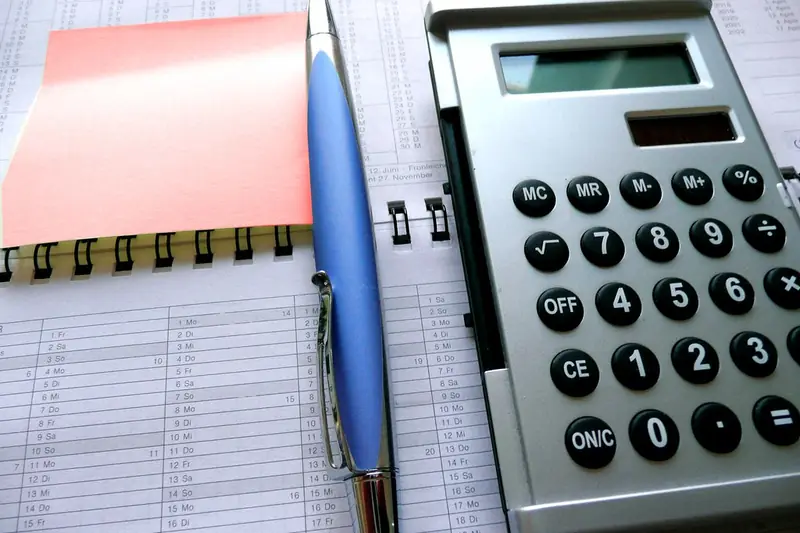
Photo: Zach Dischner, Flickr, CC BY 2.0
The allowance is counted in interest, not in savings, so the higher the rate you get, the smaller the pot it covers. See what your savings earn and what you keep before the April 2027 rise.
The allowances in 2026 to 2027
| Your Income Tax band | Personal Savings Allowance | Tax on interest above it today | From 6 April 2027 |
|---|---|---|---|
| Basic rate | £1,000 | 20% | 22% |
| Higher rate | £500 | 40% | 42% |
| Additional rate | £0 | 45% | 47% |
£1,000
The allowance covers interest from banks, building societies, savings and credit union accounts. HMRC adds together the interest from all your accounts, and splits joint account interest equally unless you tell it otherwise. Check which allowance applies to you.
Calculate my tax-free interestThe starting rate for savings: up to £5,000 more
If your other taxable income, not counting savings interest and dividends, is under £17,570, you can earn up to £5,000 of interest tax free on top. Each £1 of other income above the £12,570 Personal Allowance reduces it by £1.
GOV.UK’s own example: wages of £16,000 use the £12,570 allowance and leave £3,430, which cuts the starting rate to £1,570. Interest of £200 is then tax free. Retired people with a small pension and students with a part-time job are the ones who usually gain. Find out if the starting rate applies to you.
Check my starting rate for savingsHow much you can save before tax starts
The allowance is an amount of interest, not of savings, so the pot it covers depends on the rate you get. At an example rate of 4% a year:
| Band | Allowance | Savings it covers at 4% |
|---|---|---|
| Basic rate | £1,000 | £25,000 |
| Higher rate | £500 | £12,500 |
| Additional rate | £0 | nothing |
A basic rate saver with £30,000 at 4% earns £1,200, so £200 is taxable: £40 today, £44 from April 2027. A higher rate saver with the same pot pays tax on £700: £280 today, £294 from April 2027. GOV.UK’s example of £1,300 of interest for a basic rate taxpayer gives a £60 bill. Work out the tax on your own interest.
Work out my savings tax for 2027What changes on 6 April 2027
From the 2027 to 2028 tax year, the government’s technical note raises the tax rates on savings income by two points: 22% at the basic rate, 42% at the higher rate and 47% at the additional rate. The same note keeps the Personal Savings Allowance and the starting rate for savings unchanged, so the first £1,000 or £500 of interest stays tax free.
The change only affects interest above your allowances. A saver who stays within them pays nothing, before or after April 2027. A saver above them pays a little more on each pound: £2 more per £100 of taxable interest. Property income rates rise in the same way, to 22%, 42% and 47%, which matters if you also let out a property.
Compare my tax before and after April 2027What to do before April: move savings into an ISA if you still have allowance for 2026 to 2027, and check whether a fixed-rate bond that pays out after 6 April 2027 would be better timed to pay in a year when your other income is lower. Test your savings plan against the 2027 rates.
Prepare my savings for 2027Ways to keep more of the interest
- Use your ISA allowance. You can save up to £20,000 in ISAs in 2026 to 2027, and ISA interest is not taxed.
- Split savings between partners. Each person has their own allowance, so moving savings to a lower earning partner can make more interest tax free.
- Watch fixed-term accounts. Interest is usually taxed in the year it is paid, so a bond that pays everything at maturity can push one year over the allowance.
- Check the starting rate if your income falls, after retiring for example.
Plan where each pound of savings should go so the allowance is used before you pay tax.
Plan my ISA and savings splitHow the tax is collected
You do not usually need to do anything. If you owe tax on savings interest, HMRC sends a tax calculation for the previous tax year by letter or in your Personal Tax Account. If you complete Self Assessment, you report the interest there. Check whether HMRC’s figures match your interest when the calculation arrives.
Check my HMRC savings figuresFrequently asked questions
How much interest can I earn without paying tax?
£1,000 a year if you are a basic rate taxpayer, £500 if you are a higher rate taxpayer and £0 if you pay the additional rate. If your other income is under £17,570, the starting rate for savings can add up to £5,000 more.
Do I need to tell HMRC about savings interest?
Usually not. HMRC adds up the interest from all your accounts and, if you owe tax, sends you a tax calculation by letter or in your Personal Tax Account for the previous tax year.
Does ISA interest count toward the Personal Savings Allowance?
No. Interest from ISAs is not taxed and does not use your allowance. You can save up to £20,000 in ISAs in the 2026 to 2027 tax year.
What are the savings tax rates from April 2027?
22% for basic rate, 42% for higher rate and 47% for additional rate taxpayers, from 6 April 2027. The Personal Savings Allowance and the starting rate for savings do not change.
Sources
- GOV.UK, Tax on savings interest: how much is tax free, accessed 22 November 2026
- GOV.UK, Tax on savings interest, accessed 22 November 2026
- GOV.UK, Change to tax rates for property, savings and dividend income: technical note, accessed 22 November 2026
- GOV.UK, Individual Savings Accounts (ISAs), accessed 22 November 2026
Read next
 Students
16-25 Railcard: is it worth it? It pays off after £105 of fares
Photo: Horia Varlan, Flickr, CC BY 2.0
 Taxes
60% tax trap: what it costs between £100,000 and £125,140
Photo: photosteve101, Flickr, CC BY 2.0
 Work
Average salary UK 2026: £40,911 median, and where you stand
Photo: Alex Osterwalder, Flickr, CC BY 2.0