How long does a landlord have to return a deposit? 10 days
In England and Wales, your landlord must return your tenancy deposit within 10 days of you both agreeing how much you will get back. If you cannot agree, the deposit stays protected in its scheme until the dispute is resolved, and the scheme’s free dispute service can decide.
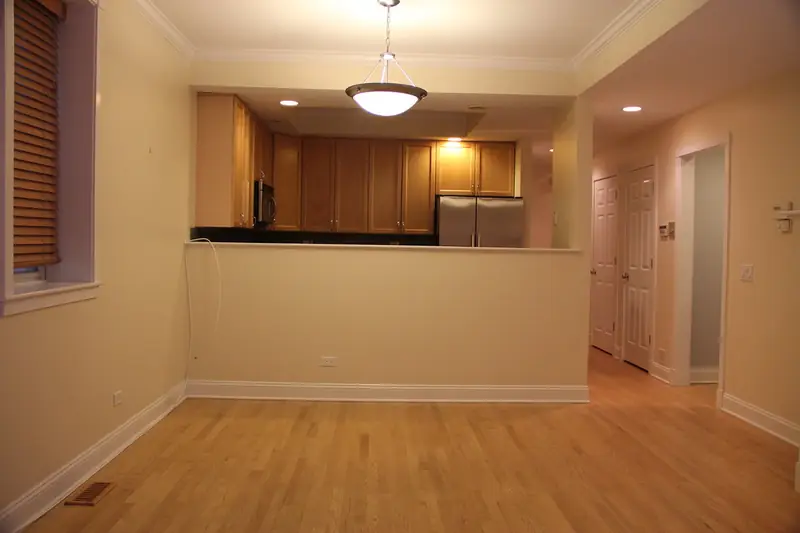
Photo: danxoneil, Flickr, CC BY 2.0
The 10-day clock only starts once you agree on the amount, so the real work is agreeing quickly, or using the scheme’s free dispute service when you do not. Check whether your landlord owes you more than your deposit before you start.
The deadlines that apply to your deposit
| Step | Deadline in England and Wales |
|---|---|
| Landlord protects the deposit in a government-approved scheme | within 30 days of receiving it |
| Landlord returns the agreed amount | within 10 days of agreeing it |
| Deposit in dispute | stays protected in the scheme until resolved |
| Court order if it was never protected | landlord pays within 14 days of the order |
10 days
The three approved schemes are the Deposit Protection Service, MyDeposits and the Tenancy Deposit Scheme. Since 1 May 2026, assured periodic tenancies have replaced assured shorthold tenancies in England, and deposit protection still applies to them. Find out which scheme holds your money and what it lets you do.
Check my depositA simple timeline for the day you move out:
- Moving day: take dated photos of every room, return the keys against a receipt, and give your forwarding address in writing.
- The next few days: ask the landlord or agent, in writing, how much they propose to return and why.
- Agreement reached: the 10 days start. Note the date and send a reminder on day 8 if nothing has arrived.
- No agreement: contact the scheme and ask for its dispute service rather than waiting.
Keeping everything in writing matters, because the scheme and, if needed, the court will decide on the documents.
When you do not agree on deductions
If the landlord wants to keep part of the deposit and you disagree, the money stays in the scheme. Each scheme offers a free dispute resolution service. Both you and the landlord must agree to use it, and its decision is final, so prepare your evidence first:
- the check-in inventory and photos, against the check-out report;
- receipts for cleaning or repairs you did yourself;
- emails showing when you reported problems during the tenancy.
There may be a time limit on raising a dispute, so contact the scheme as soon as possible after the tenancy ends. Work out which deductions you can challenge.
See which deductions I can refuseIf your landlord has gone silent
You do not need the landlord’s cooperation to start: you can raise a dispute directly with the scheme holding the deposit, and if the dispute service agrees, the scheme refunds you. Write to the landlord and any letting agent first, with the date the tenancy ended and the amount you are claiming, and keep a copy. Prepare the letter with your dates so the clock is clear.
Get my deposit request letterIf the deposit was never protected
This is where tenants can recover more than the deposit. A landlord who did not protect it within 30 days breaks the law, and under section 214 of the Housing Act 2004 the court must order the landlord to pay you not less than the deposit and not more than three times it, within 14 days of the order. It can also order the deposit itself to be repaid.
| Deposit | Court award for non-protection |
|---|---|
| £1,000 | £1,000 to £3,000 |
| £1,500 | £1,500 to £4,500 |
| £2,000 | £2,000 to £6,000 |
GOV.UK advises writing to the landlord and agent before you claim, since they may repay you once they receive the letter, which avoids legal costs. You can check whether your deposit is protected by searching each scheme’s website with your details. See how much the penalty could be in your case.
Calculate my penalty claimWas your deposit too large in the first place?
Under the Tenant Fees Act 2019, a deposit in England cannot exceed five weeks' rent when the annual rent is under £50,000, or six weeks' rent at £50,000 or more. One week’s rent is the annual rent divided by 52, and anything above the cap is a prohibited payment.
Example: rent of £1,300 a month is £15,600 a year, so £300 a week and a cap of £1,500. A £1,800 deposit would include £300 the landlord was not allowed to take. Test whether your deposit was over the limit.
Check my deposit against the capFrequently asked questions
How long does a landlord have to return a deposit in the UK?
In England and Wales, within 10 days of you and the landlord agreeing how much you will get back. Scotland and Northern Ireland have their own schemes and rules.
What happens if my landlord does not return my deposit?
If the deposit is protected and you disagree with the deductions, raise a dispute with the scheme holding it: its dispute resolution service is free, but both sides must agree to use it and its decision is final. If you cannot contact the landlord, you can still raise a dispute with the scheme.
What if my deposit was never protected?
Your landlord had to protect it within 30 days of receiving it. If they did not, you can apply to the county court, which must order the landlord to pay you between one and three times the amount of the deposit, within 14 days of the order.
What is the maximum deposit a landlord can take?
In England, five weeks' rent if the annual rent is under £50,000, and six weeks' rent if it is £50,000 or more, under the Tenant Fees Act 2019.
Sources
- GOV.UK, Tenancy deposit protection, accessed 22 November 2026
- GOV.UK, Tenancy deposit protection: disputes and problems, accessed 22 November 2026
- Housing Act 2004, section 214 (legislation.gov.uk, up to date to 18 November 2026), accessed 22 November 2026
- Tenant Fees Act 2019, Schedule 1, paragraph 2, accessed 22 November 2026
Read next
 Home and energy
Energy bill calculator: work out your bill with price cap rates
Photo: Kai Hendry, Flickr, CC BY 2.0
 Home and energy
Stamp duty first time buyer: £0 up to £300,000, then 5%
Photo: wilhei55, Flickr, CC BY 2.0
 Students
16-25 Railcard: is it worth it? It pays off after £105 of fares
Photo: Horia Varlan, Flickr, CC BY 2.0