Side hustle tax UK: the £1,000 rule now, £3,000 from April 2027
In the 2026 to 2027 tax year, the first £1,000 of gross income from a side hustle is tax free and you only need to tell HMRC if your sales go above it. From 6 April 2027, the government plans to raise that trading allowance, and the reporting threshold with it, to £3,000.

Photo: mckaysavage, Flickr, CC BY 2.0
The trading allowance covers small amounts of self-employment income: selling things you make or buy to resell, casual services like babysitting or gardening, or hiring out equipment such as power tools. It is tested on gross income, the money coming in before any costs. Find out if your side income is taxable.
The rules for 2026 to 2027
| Gross trading income in the tax year | What you do |
|---|---|
| £1,000 or less | Nothing. No tax, no need to tell HMRC. |
| Over £1,000 | Register for Self Assessment and declare it. You deduct either the £1,000 allowance or your actual expenses, whichever is better. |
The allowance does not cover income from your own employer or your spouse’s employer, from a company you or a connected person control, or from a partnership. Those amounts are taxed normally.
Check which side of £1,000 I’m onWhat changes on 6 April 2027
The Budget of 28 October 2026 announced that the trading allowance will rise from £1,000 to £3,000 for the 2027 to 2028 tax year onwards. The Self Assessment reporting threshold for trading income moves to £3,000 at the same time, so fewer people will need to file a return for small side earnings. The government expects about 400,000 people to see a lower bill, by £380 on average, and about 100,000 to stop needing to report this income. The change is being legislated in the Finance Bill.
See what £3,000 saves meWorked example: candles on Etsy
Priya earns £35,000 from her job, so she is a basic rate taxpayer. In 2026 to 2027 she sells handmade candles: £2,800 of sales, £900 of wax, jars, postage and platform fees.
| Method | Taxable profit | Tax at 20% |
|---|---|---|
| Actual expenses: £2,800 minus £900 | £1,900 | £380 |
| Trading allowance: £2,800 minus £1,000 | £1,800 | £360 |
She picks the trading allowance and pays £360 of Income Tax. Her side profit is far below £12,570, so no Class 4 National Insurance is due, and it is under the £7,105 Small Profits Threshold for Class 2.
£360
If her sales are the same in 2027 to 2028, they fall under the new £3,000 allowance: no tax, and no need to report. Try the same comparison with your own sales.
Allowance or expenses: how to choose
- Low costs (services, tutoring, dog walking): the £1,000 allowance usually wins.
- High costs (reselling, crafts with expensive materials): compare. If expenses are above £1,000, claim them instead.
- A loss: claim actual expenses, because the allowance can only bring profit down to zero.
- No mixing: if you take the allowance, you cannot also deduct any expenses from that income.
Selling online: what platforms tell HMRC
Since 2024, platforms such as marketplaces and booking apps report sellers' income to HMRC for each calendar year, by 31 January of the following year. You are left out only if you make fewer than 30 sales of goods and receive less than €2,000 (about £1,700) for them. Platforms must give you a copy of what they report.
A report is not a tax bill. Clearing out the loft or selling clothes you no longer wear is unlikely to be taxable. Buying stock to resell, or making things to sell at a profit, is likely to be trading. Got a copy of a platform report? Check what, if anything, you owe on it.
Step by step if you go over £1,000
- Keep a simple log of every sale and every cost, with receipts, for each tax year (6 April to 5 April).
- Add up gross sales for the year. Over £1,000 means you need to file.
- Register for Self Assessment as self-employed by 5 October after the tax year ends.
- On the return, enter your turnover on the self-employment pages, then either your expenses or the trading allowance.
- Pay by 31 January. If you also have a job and owe less than £3,000, filing online by 30 December lets HMRC collect it through your tax code instead.
If you already passed £1,000 in 2025 to 2026
The deadline to register for 2025 to 2026 was 5 October 2026. If you missed it, register now and file online by 31 January 2027, paying what you owe by the same date. HMRC can charge a penalty for late registration if the tax is not paid by 31 January.
If your side income is growing, read our guide to payments on account: once your Self Assessment bill passes £1,000 and less than 80% of your tax is taken through PAYE, HMRC asks for half of next year’s tax in advance. See what you owe for 2025 to 2026 before 31 January.
Frequently asked questions
How much can I earn from a side hustle before paying tax in the UK?
£1,000 of gross income a tax year under the trading allowance, for 2026 to 2027. The limit applies to sales before expenses, not profit. The government has announced it will rise to £3,000 from 6 April 2027.
Do I pay tax on things I sell on Vinted or eBay?
Selling your own unwanted possessions is unlikely to be taxable. Buying or making things to sell at a profit is likely to be trading, and the trading allowance and Self Assessment rules then apply.
Will Vinted or Etsy report me to HMRC?
Platforms report sellers who make 30 or more sales of goods, or receive €2,000 (about £1,700) or more, in a calendar year. You get a copy of what they send. Being reported does not by itself mean you owe tax.
When do I have to register for Self Assessment for side income?
By 5 October after the end of the tax year in which your gross trading income went over the allowance. For 2026 to 2027 income, that is 5 October 2027, with the return and any tax due by 31 January 2028.
Sources
- Tax-free allowances on property and trading income, GOV.UK, accessed 21 November 2026
- Income Tax: increasing the trading allowance (policy paper, 28 October 2026), HMRC, accessed 21 November 2026
- Selling goods or services on a digital platform, GOV.UK, accessed 21 November 2026
- Self Assessment tax returns: deadlines, GOV.UK, accessed 21 November 2026
- Self-employed National Insurance rates, GOV.UK, accessed 21 November 2026
- Income Tax rates and Personal Allowances, GOV.UK, accessed 21 November 2026
- Pay your Self Assessment tax bill through your tax code, GOV.UK, accessed 21 November 2026
- Self Assessment tax returns: penalties, GOV.UK, accessed 21 November 2026
Read next
 Taxes
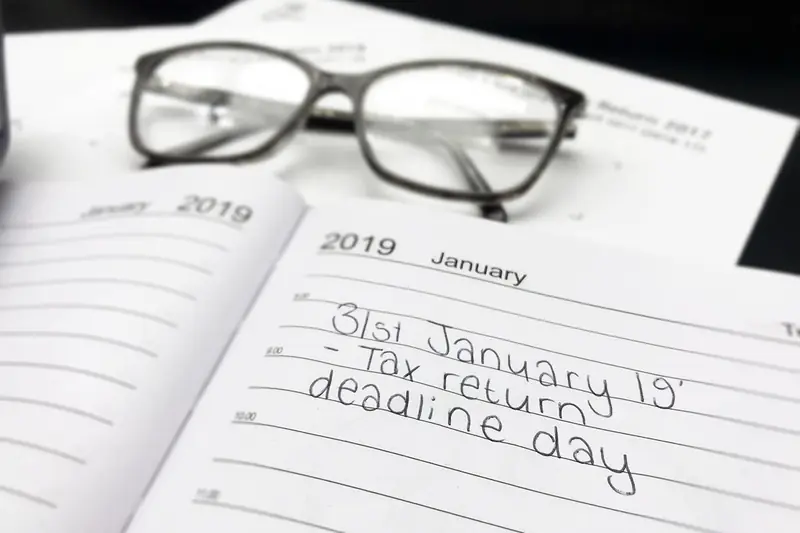
Self-employed tax: 31 January 2027 and payments on account
Photo: DPP Business and Tax, Flickr, CC BY 2.0
 Taxes
60% tax trap: what it costs between £100,000 and £125,140
Photo: photosteve101, Flickr, CC BY 2.0
 Taxes
Marriage Allowance: £252 a year, backdated to April 2022
Photo: kimberlykv, Flickr, CC BY 2.0